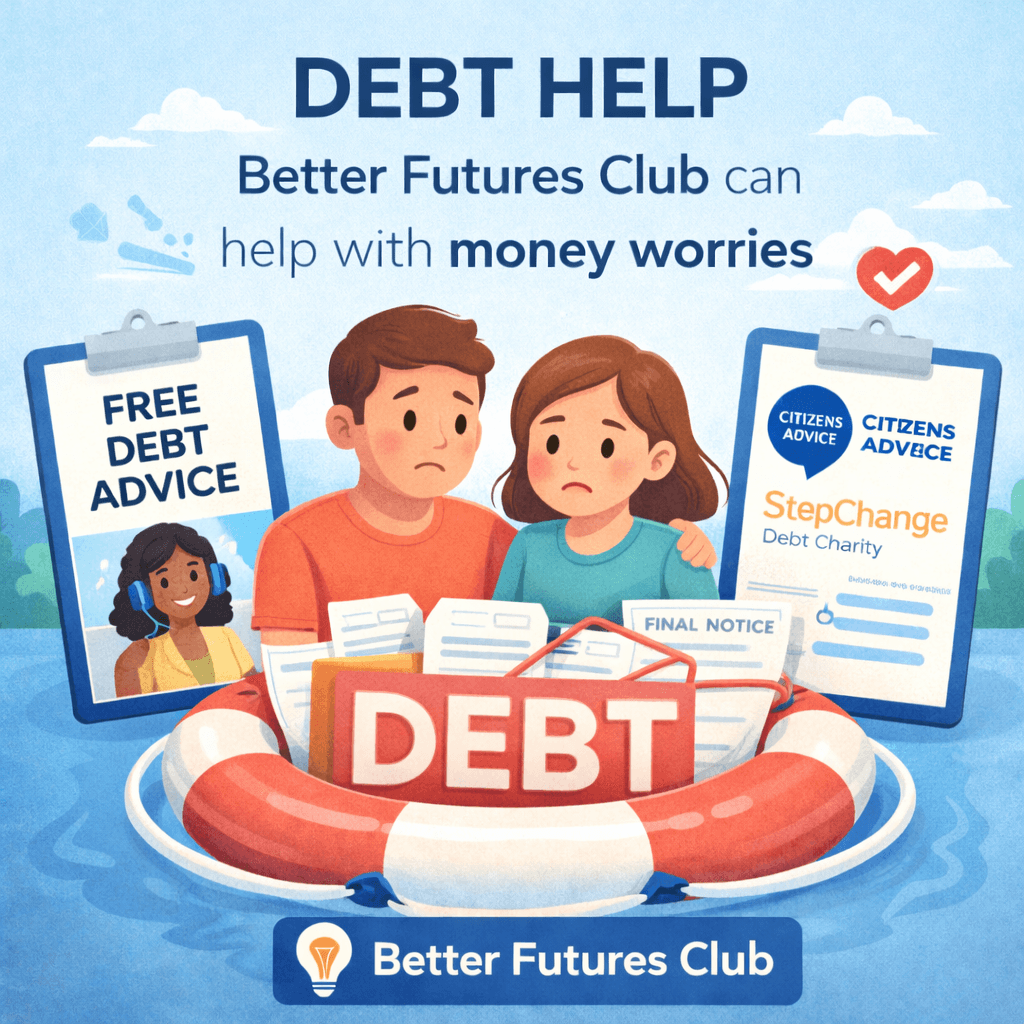
Helping You To Better, Brighter Future
Feeling overwhelmed by debt is understandable, especially when you’re on a low or irregular income. The first thing to remember is you’re not alone – many families face similar challenges, and there are resources and strategies that can help.
We can help to take proactive steps to regain control of your finances and seek support when you need it.
Free debt advisers (from charities like StepChange or National Debtline) will treat your situation confidentially and without judgment, and can suggest options you might not know about .
Your income has dropped or become unreliable
Redundancy, fewer hours, illness or self-employment ups and downs can quickly make once-manageable bills feel overwhelming.
The cost of living has outpaced your income
Rising food, energy and housing costs can push people into debt even when they’ve always been careful with money.
A relationship has ended or changed
Separation or divorce often means running a household on one income, taking on new bills, or dealing with shared debts alone.
Unexpected costs keep knocking you off track
A sudden illness, caring responsibilities, bereavement or emergency expense can force people to rely on credit just to get by.
With the right debt help, a better future can begin…
You get a clear, realistic plan you can actually stick to
Free debt advice helps you prioritise essential bills, reduce pressure from creditors and regain control step by step.
Stress reduces as you stop facing the problem alone
Knowing where you stand — and having someone on your side — can bring real relief and improve your wellbeing.
You avoid high-cost debt and find fairer alternatives
Support can guide you towards safer options like credit unions, affordable repayment plans and ethical borrowing.
You build confidence and stability for the long term
Debt help isn’t just about today — it’s about building stronger money habits and moving towards a more secure future.
Not Already A Member? Join Today
Services
Step-by-Step Into A Better, Brighter Future

How it works
Debt Help In Detail
01
Reach Out for Help – You’re Not Alone
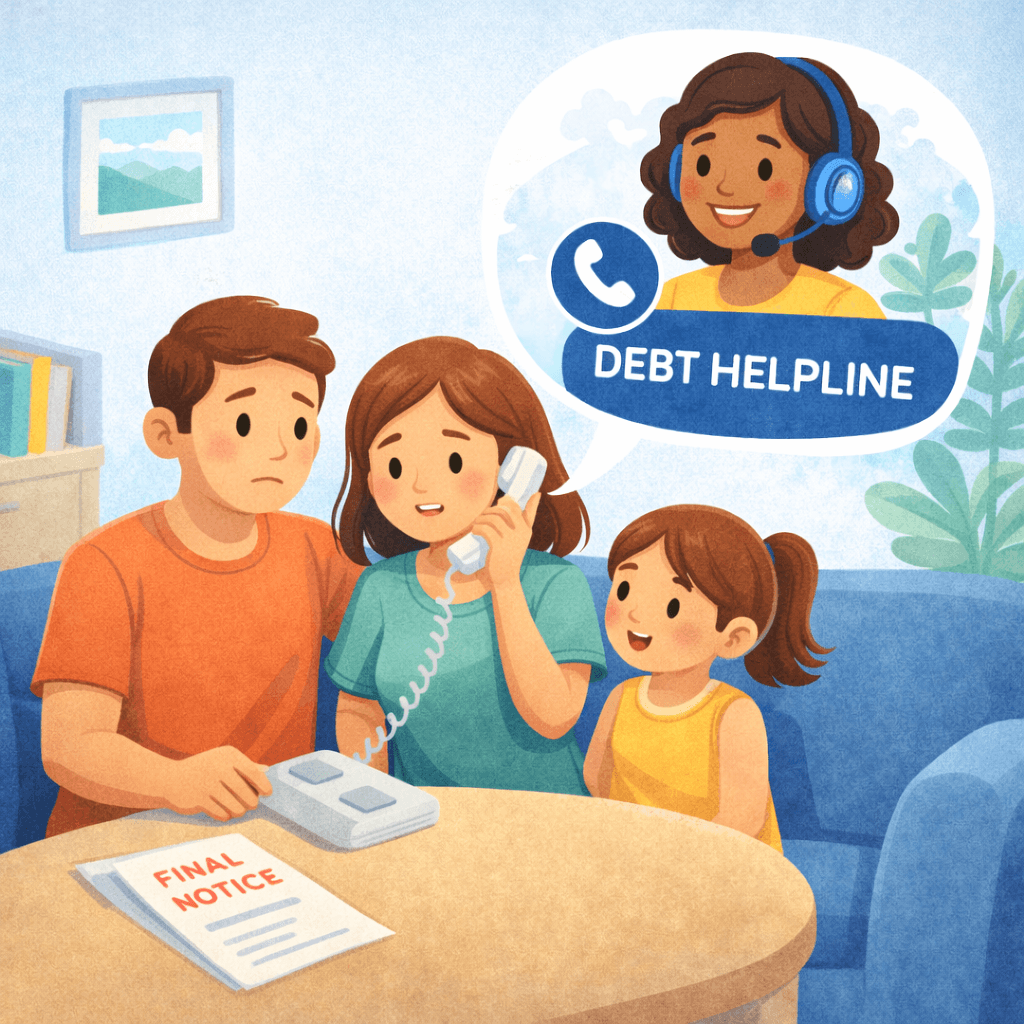
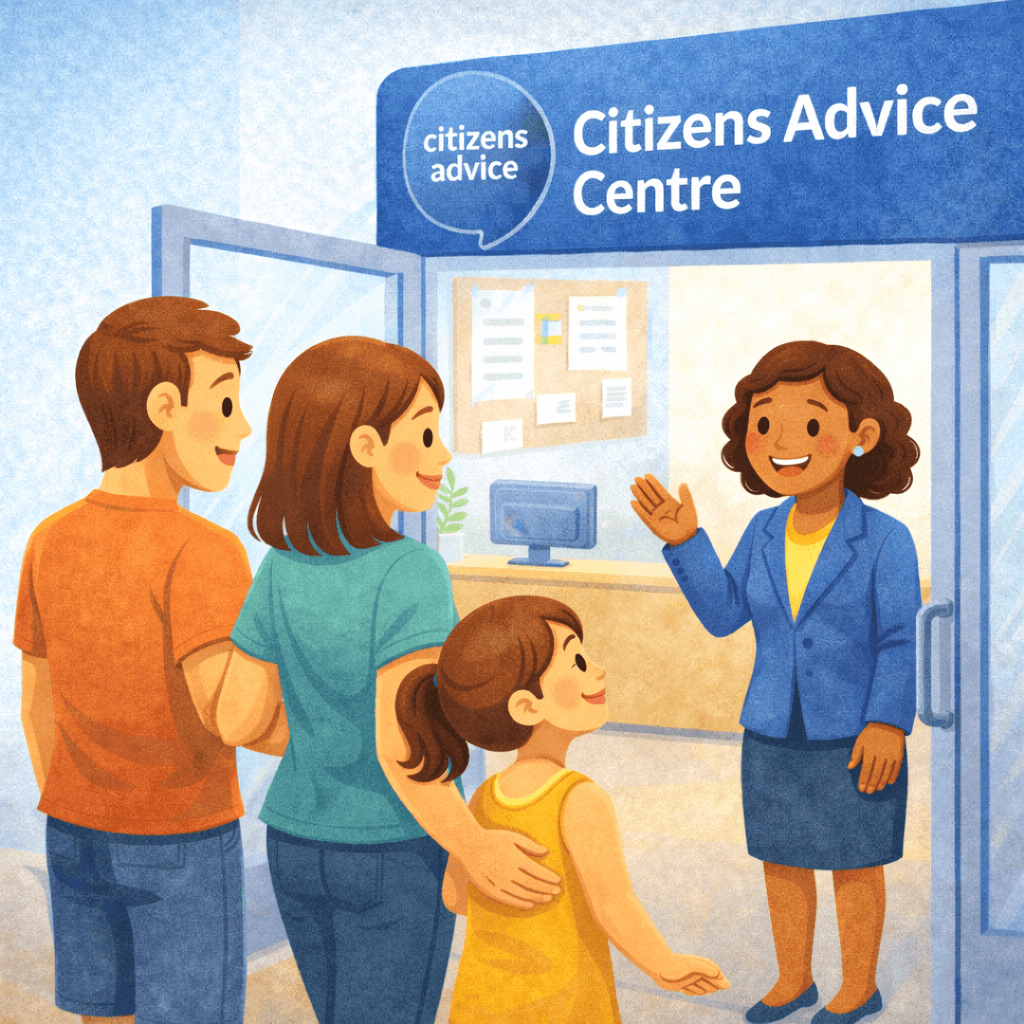
One of the best first steps is to talk to someone. Bottling up money worries can increase stress. Consider confiding in a trusted friend or family member for emotional support, and don’t hesitate to contact a free debt advice service. In the UK, organisations like Citizens Advice, MoneyHelper, National Debtline, and StepChange offer free, confidential guidance on dealing with debt. A qualified debt adviser can review your situation and help you make a plan – they can even check that you’re getting all the benefits or entitlements you qualify for. Remember, creditors (the people you owe money to) are often more understanding if you reach out early. Don’t ignore bills or letters – instead, inform your creditors that you’re struggling; they might let you pause payments or pay smaller amounts for a while. If you need breathing room to figure out a plan, ask a debt adviser about the government’s Breathing Space scheme, which can halt interest and creditor contact for 60 days while you get back on track. The key message is that you don’t have to face debt alone – help is available, and seeking advice early can relieve a lot of stress.
Assess Your Finances and Budget
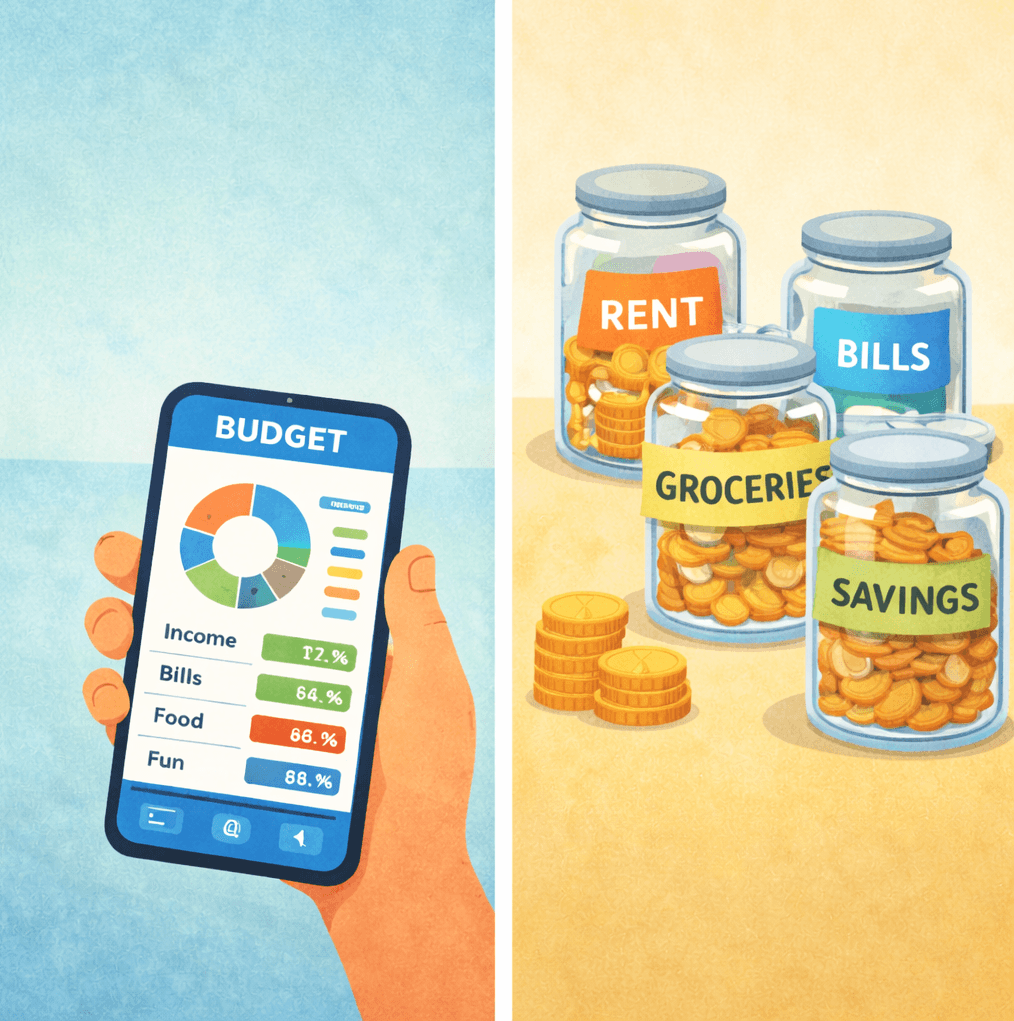
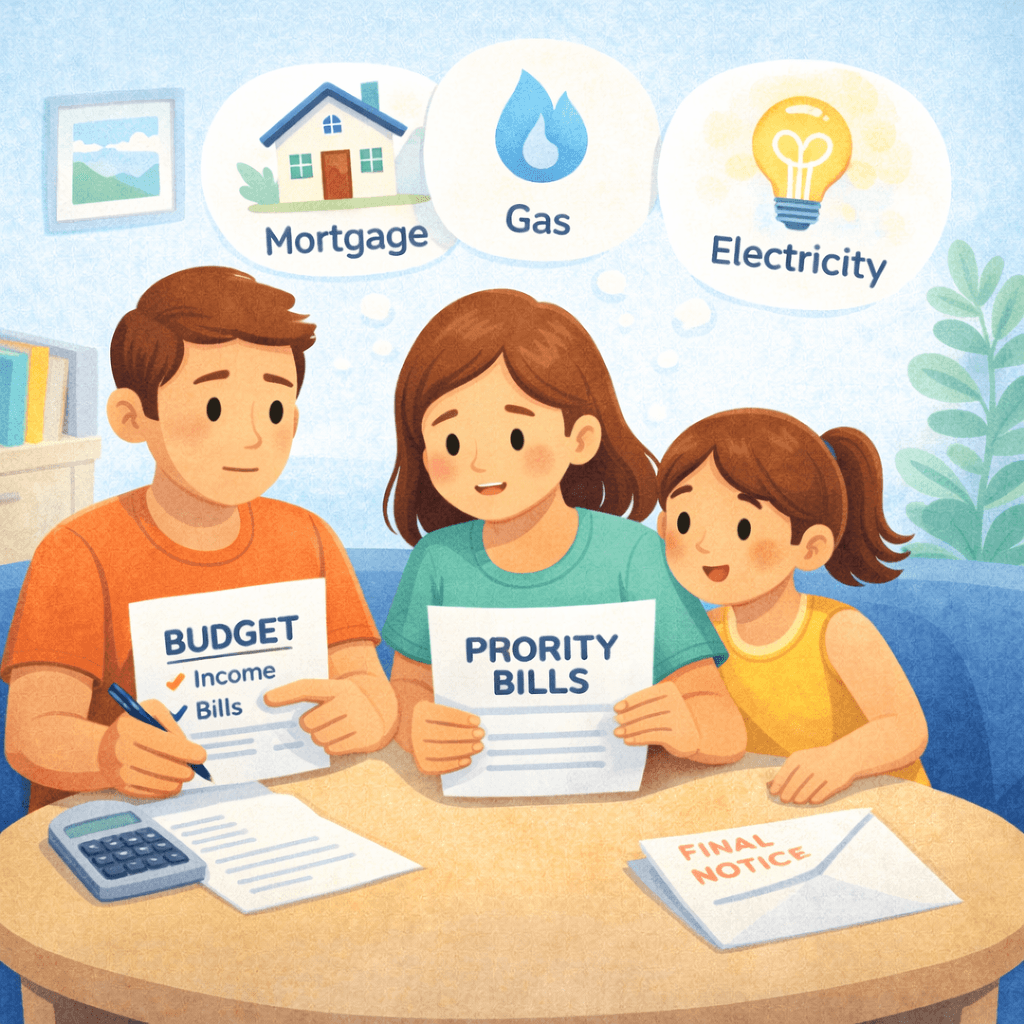
To tackle debt, it’s important to get a clear picture of your finances. Start by writing down everything you owe and all your regular expenses. This might feel daunting, but it’s a crucial step in regaining control. List every debt (loans, credit cards, overdrafts, money owed to family, etc.), noting the outstanding amounts, monthly payments, and due dates. Also list your essential outgoings – for example, rent or mortgage, Council Tax, electricity and gas, food, insurance, and transport costs. Seeing all your expenses and debts in one place lets you make an informed plan and ensures you won’t overlook any commitments. Next, create a basic budget to understand your cash flow. Add up your total income (wages, benefits, etc.) and subtract your essential costs. This will show how much (if anything) is left for debt repayment or savings. If the numbers don’t add up, look for areas to adjust. See if you can cut any non-essentials or reduce bills – for example, subscriptions or services you don’t need, or cheaper options for groceries and utilities. Even small cutbacks can free up money to pay down debt. (Be cautious about cancelling contracts midway, as there might be penalties) If you have any savings set aside, consider using them to reduce high-interest debts, since the interest you pay on debt usually far outweighs what savings earn. It’s wise to keep a small emergency fund if you can (one to three months of expenses) for unexpected costs, but beyond that, let your money work to trim your debt.
02
03
Budgeting On A Variable Income
If your income fluctuates (due to zero-hours contracts, gig work, or self-employment), budgeting can be tricky. Experts suggest planning based on your lowest expected monthly income, so you’re covered even in lean months. For example, use the smallest amount you usually take home as the baseline for your budget. In better months, you can then allocate surplus money to savings or extra debt payments. It also helps to set up a separate account for essential bills – try to put aside enough in high-income months to cover rent, utilities, and other must-pay expenses during slower months. This “safety net” account acts like a buffer so you won’t fall behind on critical bills when your paycheck is smaller. Additionally, think ahead to seasonal ups and downs: if you know certain times of year bring higher expenses (like Christmas or back-to-school) or lower income, include those in your planning . Budgeting with an irregular income takes a bit more foresight, but it can be done – and it’s key to staying on top of debt when your earnings vary.
Maximise Income and Cut Costs
When money is tight, increasing your income (even modestly) and reducing expenses can make a big difference. Start with a benefits check—you might be entitled to government support, especially if you’re on a low income, have children, or face high costs. Many people don’t realise they qualify for certain benefits or tax credits. Use an online benefits calculator or contact Citizens Advice to check what extra help you can get. It’s important to do this even if you’re working—many working families receive benefits or Universal Credit to top up low wages. Also, look into any grants or local schemes that could boost your income or cut your costs. For example, local councils in the UK have Hardship Funds or Household Support Funds for those struggling to afford essentials. Charities and organisations (like Turn2us) offer grants for specific needs, and you don’t always need to be on benefits to qualify. While these won’t erase your debts, they can ease the pressure by helping with food, energy bills, or other essentials, freeing up some income to put towards debt. If you have time, consider small ways to earn extra money—perhaps by selling unused items, taking on a few hours of side work, or doing gig economy tasks. Every bit of income or savings on bills can help when you’re trying to balance a tight budget. The goal is to improve your budget margin so you can cover necessities and have something left to chip away at your debts.
04
05
Prioritise Essential Bills (Pay Priority Debts First)
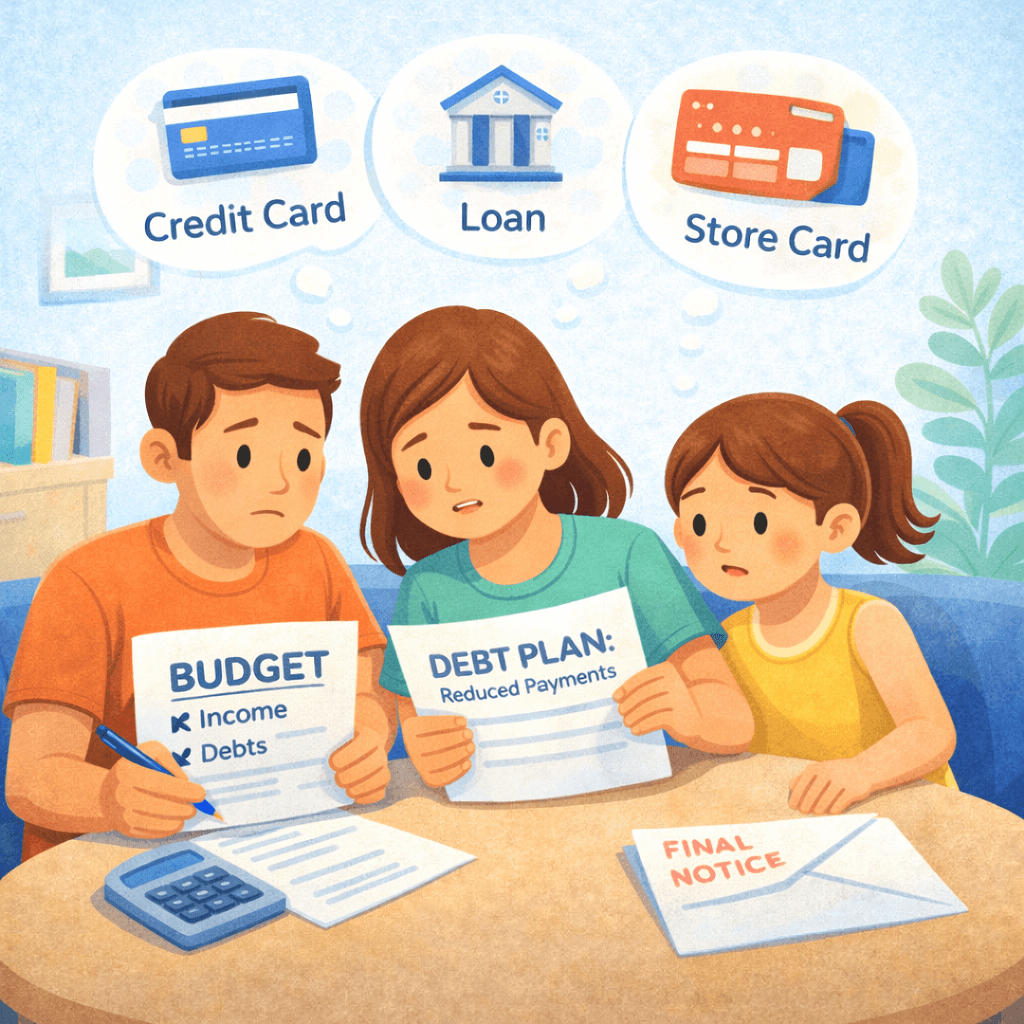
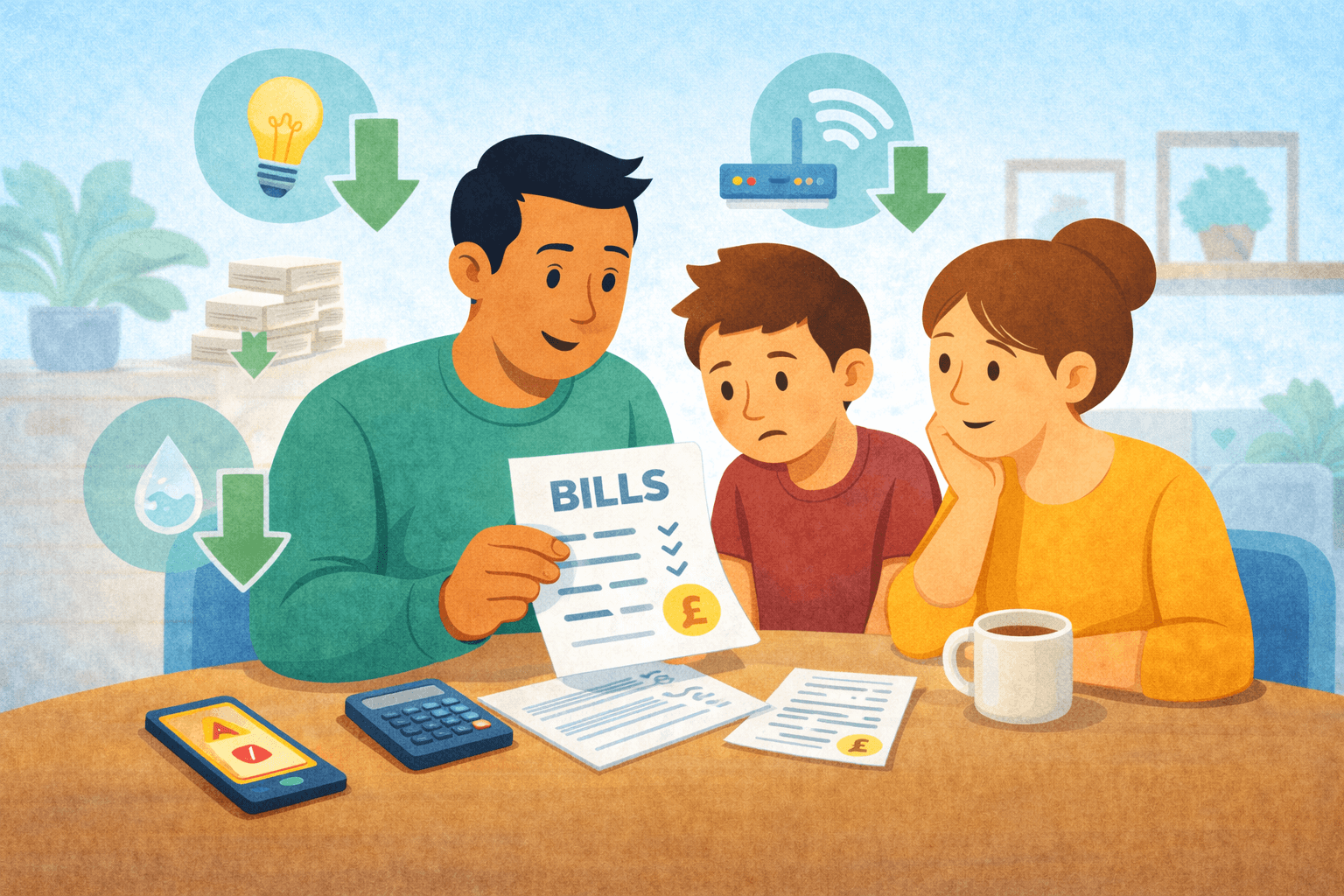
When you can’t afford everything, it’s critical to prioritise the most important bills – known as priority debts. These are debts that carry serious consequences if you don’t pay them, and they should be dealt with before lower-priority debts. Priority debts include things like your rent or mortgage, council tax, gas and electricity, and other essential costs that keep a roof over your head and your family safe. Missing these payments can lead to things like eviction, power cut-offs, or legal action, so they must come first . In contrast, non-priority debts are typically things like credit cards, personal loans or store cards – important to address, but the fallout from missing a payment is usually less immediate (for example, you might get late fees or a mark on your credit report, but you won’t lose your home). Make a list of your debts and mark which ones are priority. Ensure you pay those (at least something towards them) even if you can’t pay everything in full. If you’re struggling with your mortgage or rent, seek help right away – you might be able to get support with housing costs (such as Support for Mortgage Interest or housing benefit/universal credit housing element). For council tax, contact your council; they may have hardship schemes or can spread payments. Energy companies are required to work with you if you tell them you’re having difficulty – they can set up an affordable payment plan rather than disconnect you . Always communicate with your priority creditors; show them you’re taking steps to deal with the situation. Paying something is better than paying nothing, and it shows goodwill. As for your non-priority debts, if after covering essentials you have only a little left, you can offer token payments (even £1 a month) to those creditors for now. Many creditors will accept reduced payments if they know you’re in genuine difficulty and getting advice. The key is to keep them informed – don’t just stop paying without explanation. By prioritising and keeping in contact, you can prevent a bad situation from getting worse.
Communicate and Stay Proactive with Creditors
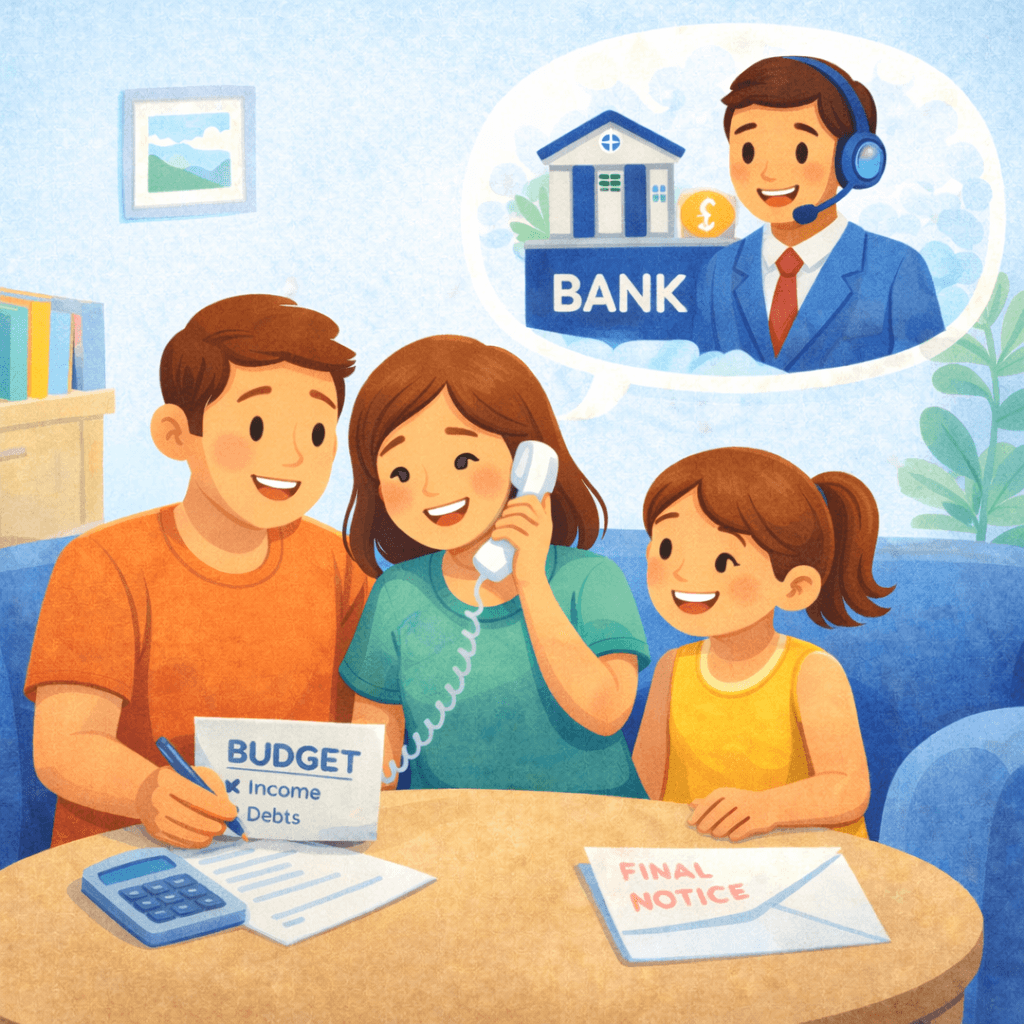
Facing your creditors can be intimidating, but remember that communication is your friend. If you can’t make a payment, get in touch with the lender or service provider as soon as possible and explain the situation. Creditors in the UK are used to dealing with customers in financial difficulty – in fact, they are expected to treat you fairly and consider reasonable arrangements if you tell them you’re struggling due to hardship. When you call or write to them, have your budget in front of you, explain why you’re having trouble, and propose a plan. This could be a temporary reduced payment, a short payment holiday, or a new repayment schedule that fits your means. Often, creditors can freeze interest or waive fees for a period of time if you ask for help and provide some basic financial information. For example, credit card companies might stop adding interest to give you breathing room, or utility providers might reduce your monthly amount and help you set up an affordable plan. You’ll never know what’s possible unless you ask. If talking to creditors feels overwhelming, a debt adviser can help you make contact or even speak to them on your behalf. There are also template letters on charity websites that you can use to negotiate payments. The important thing is not to suffer in silence or avoid the problem – that’s when creditors may take tougher action because they haven’t heard from you. By staying proactive and cooperative, you maintain some control. Keep notes of any calls (who you spoke to and what was agreed) and save letters or emails. Over time, as your situation improves or you get on a debt plan, these creditors will get paid. Until then, clear communication buys you time and goodwill.
06
07
Consider Affordable Options and Credit Unions
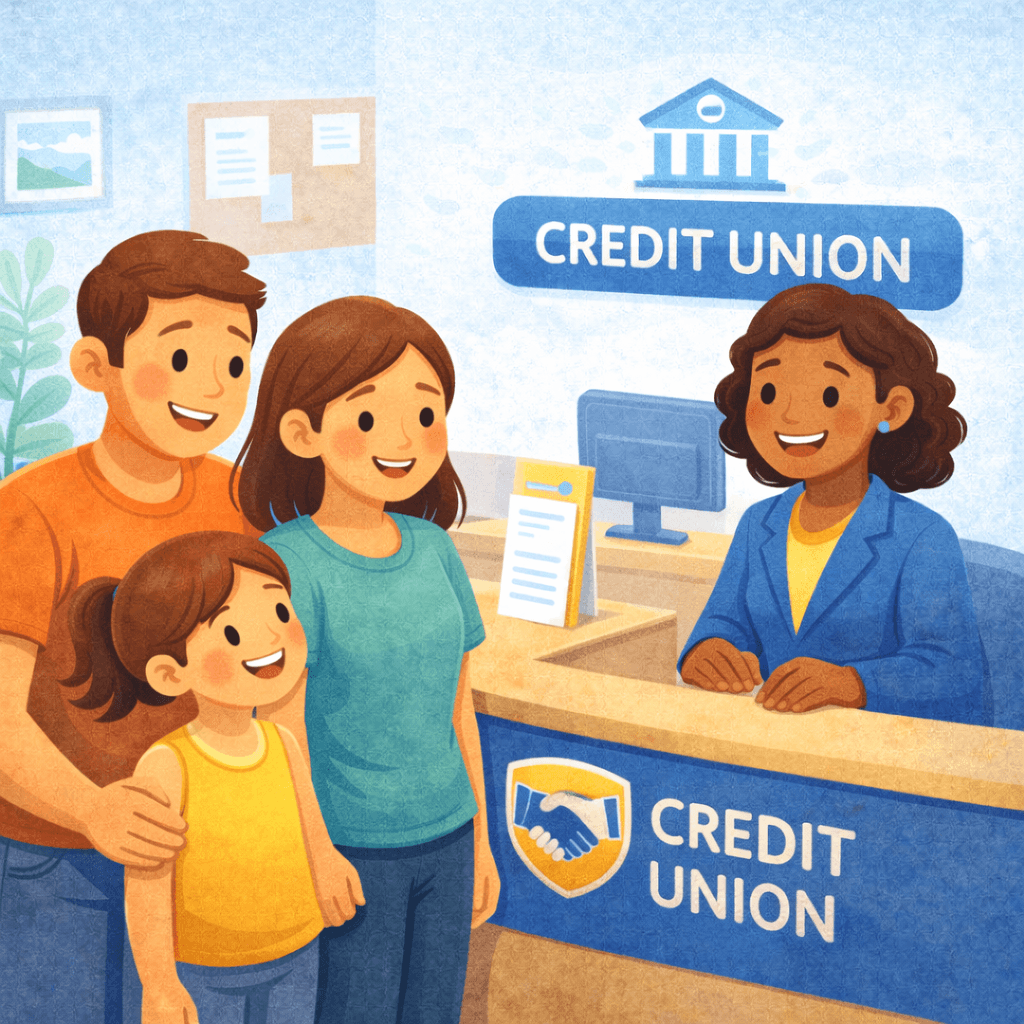
When dealing with debt, the instinct might be to borrow more to cover the gap – try to avoid taking on new high-interest debt, as it can lead to a cycle where things spiral out of control . Instead, look at safer, more affordable financial tools. One option championed by experts is to consider joining a credit union. Credit unions are not-for-profit community banks that exist to help their members. They often offer small loans at much lower interest rates than payday or doorstep lenders, and may be more willing to help people on a low income or with little credit history. Unlike big banks, credit unions are cooperatives run for the benefit of members, not shareholders, which means they prioritise your financial well-being. They have three main aims: to provide low-interest loans, to encourage members to save regularly, and to offer financial advice and support to members in need. By borrowing from a credit union, you can avoid the sky-high interest and fees that come with some commercial loans. Many credit unions will also help you build savings habits (sometimes they even require a small savings contribution alongside loan repayments, helping you create a safety net as you repay). To find a credit union near you in the UK, you can use the Find Your Credit Union tool . Joining is usually straightforward – you just need to meet that credit union’s “common bond” (for example, living in a certain area or working in a certain industry). Besides credit unions, if you have a good credit score or a stable situation now, you might explore special products to reduce the cost of existing debt. For instance, a 0% balance transfer credit card could let you move credit card debt and pay no interest for a promotional period, so more of your payment goes to the balance. Or a debt consolidation loan might combine several debts into a single monthly payment at a lower interest rate. Be cautious with these options: you generally need a decent credit rating to get the best deals, and there can be pitfalls (for example, consolidation loans might stretch out your debt longer, and 0% card offers are temporary). Always consider the pros and cons, and it’s wise to get advice from a debt counsellor before going down this route. Never pay for expensive “debt consolidation” schemes from for-profit companies without exploring free advice first – there are plenty of free or low-cost solutions via reputable charities. If your debt situation is very serious – for example, you have more debts than you could realistically pay back in a few years – formal debt solutions might be available. Free advisers can help determine if you qualify for options like a Debt Management Plan (DMP) (an agreement to pay off debts at an affordable rate), or an Individual Voluntary Arrangement (IVA), or, in some cases, a Debt Relief Order (DRO) or bankruptcy for those with very low income and assets. These solutions have pros and cons and aren’t for everyone, but knowing they exist can be reassuring – there is always a way to deal with unmanageable debt. The key is to use trusted sources (like StepChange or Citizens Advice) to find the right solution for you, rather than any scammy ads you might see online.
Take Care of Yourself During the Process
Coping with debt isn’t just a financial journey – it’s an emotional one too. It’s normal to feel stress, anxiety, or even shame about debt, but try to be kind to yourself. Stress can affect your health and decision-making, so remember to take breaks from worry and do things that lift your mood (going for a walk, time with family, hobbies that don’t cost money). If you find yourself losing sleep or feeling very down because of money problems, consider reaching out to your GP or a mental health charity for support – there are services specifically for money-related mental health issues (for example, the Mind charity offers advice on money and mental health, and the Mental Health & Money Advice service provides specialized guidance ). Stay hopeful: with each positive step – whether it’s making that first phone call to a debt adviser, or sticking to your budget for a month – you are regaining control. It can also help to focus on the light at the end of the tunnel: imagine how relieving it will feel to have your finances in order. Many people have come through serious debt and found stability again, often learning new skills in budgeting and saving along the way. Celebrate small victories, like paying off a credit card or even just opening all your bills and making a plan. And keep those close to you in the loop – explaining the family budget to your partner or involving your kids (in an age-appropriate way) in cost-saving challenges can turn it into a team effort, reducing the pressure on you alone. Debt is not a personal failure; it’s a common challenge, and with perseverance and support, you will overcome it.
08
Getting More Help
Free Debt & Support Services
You don’t have to navigate debt alone. The UK has several reputable, free resources that can help you with specific advice, solutions, and even emotional support:
Citizens Advice
Offers free face-to-face or phone advice on benefits, budgeting, and debt solutions. They can help you understand your rights (for example, if you’re made redundant or facing eviction) and how to deal with creditors . Find them online or in your local area
MoneyHelper
A government-backed service (formerly Money Advice Service) providing free and impartial guidance on money matters. Their website has useful tools like budget planners and bill prioritizers, and you can call them for one-on-one help
StepChange Debt Charity
A leading UK debt charity that offers free, confidential debt advice and can set up debt management plans or other solutions. They have an online advice tool and a helpline .
National Debtline
A free helpline and webchat service for debt advice, run by a charity. They can send you a free “Dealing with Debt” pack and help with strategies to negotiate with creditors
Local Credit Union
Not just for borrowing, but also for support in managing money. Many credit unions provide budgeting advice and encourage saving. Use the locator tool to find a credit union you can join. They are friendly to those with limited income and can be a safer alternative to loans.
Mind (Money and Mental Health)
Mental health charity Mind has resources on managing the emotional side of debt. If debt is affecting your mental wellbeing, these resources (and their helpline) can be a lifeline
Contact us
Want to reach out to us?